“I want our customers to say: Wow, my insurance company just paid me in 48 hours!”
Adaptive protects SMBs from financial losses caused by extreme weather using environmental data to deliver immediate payouts for events that existing insurance policies ignore or take months to process.
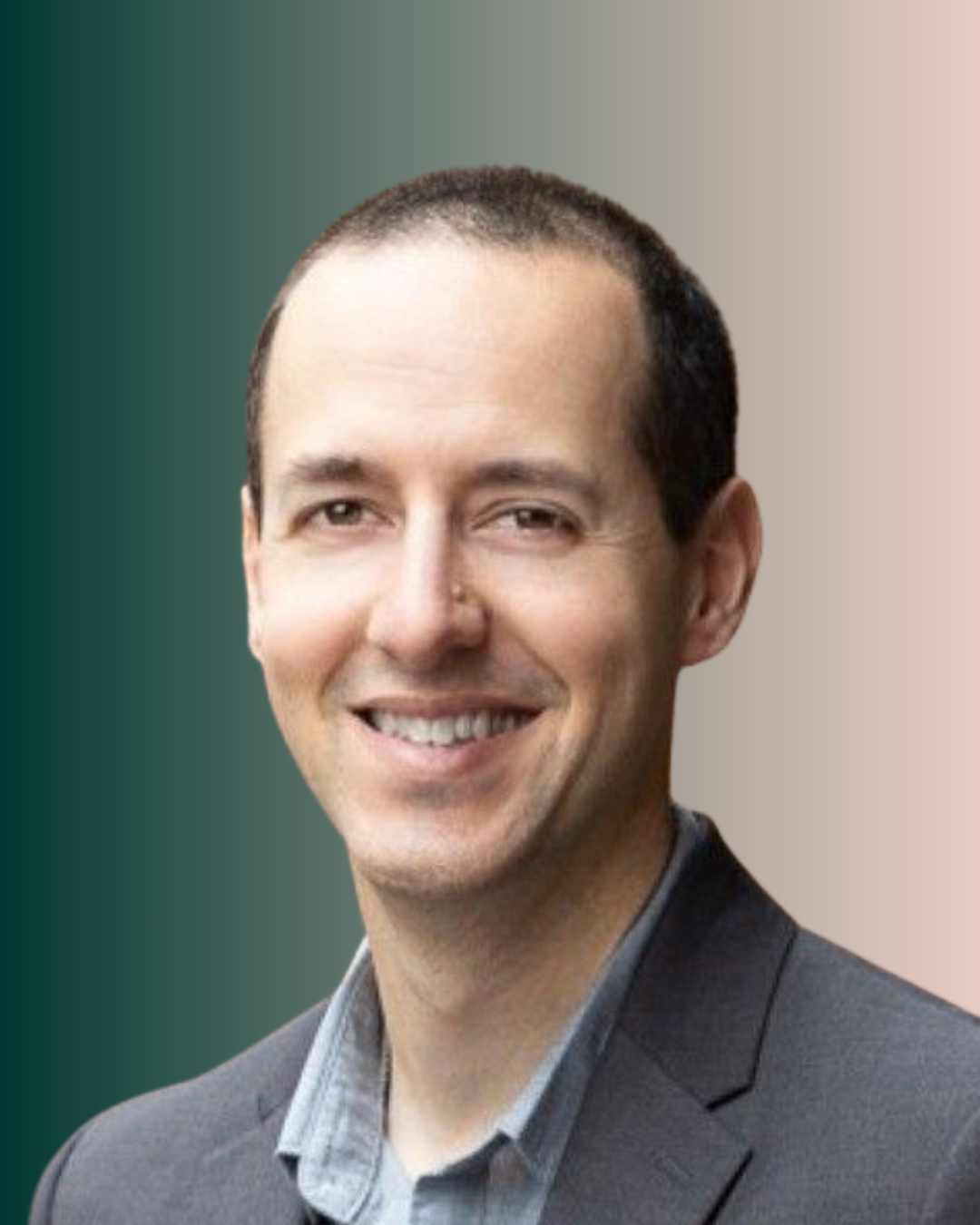
Introducing Mike Gulla
Mike Gulla is the CEO and Co-Founder of Adaptive, an insurance and climate-tech startup based in Austin, Texas.
He founded the company with his friend of 10 years, Arik Yelovitch, raising a seed round of $5 million in February 2025. At the time of writing, Adaptive has onboarded over 17,000 insurance agents onto its platform.
The Problem They're Solving
Most insurance policies have major gaps for extreme weather events and nobody has the data needed to fill them.
"The models that have existed around insurance premiums and pricing for a very long time are no longer adequate in today's world."
— Mike Gulla, Adaptive CEO & Co-Founder
For example…
Power outages cost US companies $150 billion per year. Standard business interruption coverage requires an outage of 24 to 72 hours before payouts begin. But 94% of US outages last less than 24 hours. Which means that a business that loses a full day of revenue has no way to get that money back.
"We have built a massive intelligence platform around climate data. We have everything from FEMA, everything from NASA. We have geospatial data. We've built a database and created our own intelligence platform that allows us to help decision-making through these processes."
— Mike Gulla, Adaptive CEO & Co-Founder
Why it matters: Insurance agents can't price this risk effectively. The vast majority of US property insurance is still sold through licensed agents. They're the ones who explain to SMBs what outcomes are covered, which ones aren't, and what everything costs.
But without localized environmental data, agents have no way to appropriately price that risk for a specific business at a specific location.
"Our technology platform allows us to monitor what's going on with the power grid 24/7, 365 days a year."
— Mike Gulla, Adaptive CEO & Co-Founder
Zoom in: They are turning environmental data into automated insurance. If the power goes out for longer than a specified period, the customer gets a fixed payout in their bank account within 24 to 48 hours. No claim to file, no damages to prove.
Their Strategy for Winning
"90 plus percent of the time, consumers still want to talk to a licensed insurance professional to fully understand what their risks are."
— Mike Gulla, Adaptive CEO & Co-Founder
Adaptive built its distribution model by partnering with agents. The agents gain access to new products and offer them to their clients. They can cover outcomes that previously went uninsured. Adaptive secures distribution at a lower acquisition cost and immediate credibility through trusted agent relationships.
"The agents don't have access to the latest and greatest technology around what is actually happening with the weather."
— Mike Gulla, Adaptive CEO & Co-Founder
What do the agents get from partnering with Adaptive?
- New revenue on existing relationships. They can sell climate-related coverage products to clients they already have but couldn't previously assist with this pain point.
- Data they've never had access to. Localized climate risk data that lets them price coverage at a specific location for a specific business.
- A coverage product that sells itself. There is no ambiguity, no claims process, no waiting to find out if they're covered.
- Relevance in a changing market. A solution for a coverage gap that is growing every year and no existing product addresses.
"Climate is the single biggest factor impacting insurance globally every year. The more data and analytics you have around it, the better. That's where the future is."
— Mike Gulla, Adaptive CEO & Co-Founder
How Adaptive Wins
- Identifying a gap in the insurance market that legacy carriers didn't have the data or the models to address.
- Building a climate intelligence platform through a network of data partnerships.
- Distributing through agents as a low cost acquisition channel.
- Refining the product into a modular platform that extends agents' ability to price and sell coverage.